Why Accurate Books Are the Quiet Superpower of Every Successful Small Business (and Exactly How QuickBooks Online Makes It Simple in 2025)
Hi, I’m Shawn Yeager, founder of Midwest Bookkeeping LLC.
Over the past eight years I’ve sat across coffee-shop tables and Zoom screens with hundreds of owners in Iowa, Nebraska, Missouri, and Kansas. Almost every single one of them started the conversation the same way:
“I know my books are a mess… but I’m too busy to fix them.”
Here’s the truth I always share next:
Your books aren’t just a record of what already happened. They are the dashboard that tells you where your business is actually headed.
When they’re accurate, you make better decisions, keep more money, sleep at night, and—when the day comes—sell or pass on your business for the maximum possible price.
When they’re wrong, you overpay taxes, miss red flags, and eventually hit a wall you never saw coming.
This 3,500-word love letter to accurate books (and to the one tool that makes it realistic for normal humans) is everything I wish someone had printed out and handed me when I started my first company.
Let’s fix this together.
The Real Cost of “Good Enough” Books
Most owners think messy books only hurt at tax time. They’re wrong.
Here’s what actually happens when your books aren’t accurate:
You overpay taxes (by a lot) The average small business we clean up leaves $9,200–$18,400 in legitimate deductions on the table every single year because receipts are missing or transactions are miscategorized.
You make bad decisions One landscaping client thought he was barely breaking even. After we fixed 14 months of books, he discovered he was actually profitable on residential jobs and losing money on every commercial contract. He changed his entire bidding strategy the next week.
You can’t get financing Banks don’t care about your gut feeling. They look at your last 12–24 months of Profit & Loss and Balance Sheet. Messy books = instant denial or terrible rates.
You can’t sell (or you leave hundreds of thousands on the table) Buyers pay 3–6× net profit for healthy businesses. If your books are sloppy, they discount the multiple—or walk away.
You live with constant low-grade stress You know something isn’t right, but you don’t have time to figure it out. That feeling follows you home.
Accurate books fix every single one of those problems.
The Good News: 2025 Technology Finally Caught Up to Real Life
Ten years ago, perfect books required a full-time bookkeeper or a finance degree.
Today, QuickBooks Online does 85–90% of the work automatically—if you know the handful of habits that matter.
Here’s exactly how it works in real businesses like yours.
How QuickBooks Online Turns Chaos into Clarity (Step by Step)
Bank feeds pull in every transaction the moment it clears No more manual entry. Checking, savings, credit cards, PayPal, Stripe—everything shows up automatically.
Receipt capture in 3 seconds Snap a photo with the mobile app → QBO reads the date, amount, and vendor → matches it to the bank transaction → done. The IRS accepts these photos as original records.
Rules that learn your habits After you categorize “Caseys General Store” as Fuel three times, QBO starts doing it for you forever.
Real-time dashboard that actually makes sense Open the app on your phone and see profit, cash in bank, and overdue invoices in one glance.
Built-in reconciliation that takes 8–15 minutes a month We walked through the exact process in our last post—most clients are shocked at how fast it becomes.
Automatic sales-tax calculation and filing reminders No more forgetting to file or paying penalties.
Payroll that runs itself (if you have employees) Direct deposit, tax calculations, W-2s—all handled.
Accountant access that costs you nothing extra Invite us (or your CPA) as an Accountant user. We see everything, fix anything, and you never pay another data-entry fee.
The 7 Numbers Every Owner Should Check Weekly (Takes 90 Seconds)
Open the QBO mobile app → Home dashboard → look at these seven numbers:
Cash in bank
Profit this month
Overdue invoices
Upcoming bills
Sales this month vs last month
Top 3 expenses this month
Sales tax liability
That’s it. If those seven numbers are healthy, your business is healthy.
Real Stories from Real Midwest Businesses
Sarah – Boutique Retailer, Omaha Sarah used a spreadsheet and a shoebox of receipts. She thought she made about $42,000 profit in 2023. After we moved her to QuickBooks Online and cleaned up two years, her actual profit was $68,000. She got a $6,400 refund and raised her prices the next week.
Mike – HVAC Company, Kansas City Mike’s books were “close enough.” He was turning down bank loans because he was afraid they’d look too hard. After six months on QuickBooks Online with clean monthly reconciliations, he qualified for a $250,000 line of credit at 6.9% and bought two new service vans.
Tom & Lisa – Husband/Wife Construction Firm, Des Moines They were considering closing the business because “we never have any money left.” Accurate books showed they were actually profitable—they just had $84,000 tied up in slow-paying general contractors. We set up weekly invoice reminders in QBO. They collected $71,000 in the next 90 days and kept the company they’d built for 19 years.
These aren’t outliers. They’re normal people who simply decided to stop guessing.
The “I’m Too Busy” Myth
Every owner says it. Here’s the math that shuts it down:
Daily 60-second habit in the QBO app = 6 minutes a week
Monthly reconciliation = 15 minutes
Quarterly 30-minute review call with us = 2 hours a year
Total time investment: less than 3 hours per month.
Compare that to the 40–80 hours most owners spend scrambling at tax time—or the thousands they overpay because something was missed.
Three hours a month to know exactly where you stand and keep thousands in your pocket is the highest-ROI activity in your business.
The Exact 90-Day Plan We Give Every New Client
Week 1
Open dedicated business checking + credit card (even if you’re a sole prop)
Sign up for QuickBooks Online (start with the 30-day free trial)
Connect all bank accounts and credit cards
Week 2–4
Start the 60-second daily habit
Photograph or forward every receipt
Let us (or your CPA) clean up the prior 12 months
Month 2
Complete first full month-end close (reconciliation + reports)
Set up 5–10 bank rules for repeating expenses
Run your first real Profit & Loss and actually understand it
Month 3
Lock prior periods so nothing can be accidentally changed
Schedule quarterly tax-planning calls
Celebrate knowing your real numbers for the first time
By day 90, bookkeeping goes from your biggest stress to something you barely think about—because it’s working in the background while you run your business.
Frequently Asked Questions We Hear Every Week
Q: “I’m not a numbers person. Will this still work for me?” A: Yes. QuickBooks Online is built for people who hate numbers. We handle the hard parts.
Q: “What if I’m years behind?” A: We clean up 2–5 years in 4–8 weeks. It’s a one-time push, then you’re current forever.
Q: “Do I have to give you my banking passwords?” A: Never. You invite us as an Accountant user inside QBO. We see the books but can’t touch your money.
Q: “How much does all this cost?” A: Most clients pay less per month than one missed deduction costs them per year. We’ll build you an exact quote on our first call.
Q: “What if I just keep doing it myself in spreadsheets?” A: You can—until the IRS, a bank, or a buyer asks for accurate books and you don’t have them. Then it gets expensive fast.
Your Next Step (Takes 2 Minutes)
You’ve read this far because something inside you knows it’s time.
Click the button below and book a free 30-minute “Real Numbers Roadmap” call.
We’ll log into your QuickBooks (or look at whatever you’re currently using), tell you exactly where you stand, and give you a custom plan to get perfectly accurate books—without it taking over your life.
No sales pitch. No pressure. Just honest answers from someone who’s helped hundreds of owners just like you.
You’ve worked too hard building your business to fly blind.
Let’s turn your books into the superpower they were always meant to be.
See you on the call,
Shawn Yeager Midwest Bookkeeping LLC Professional. Approachable. In your corner since 2017
P.S. The businesses that implement accurate books in 2025 are the ones that will come out of any economic environment stronger than they went in. Don’t wait for “someday.” Your future self is counting on you to start today.
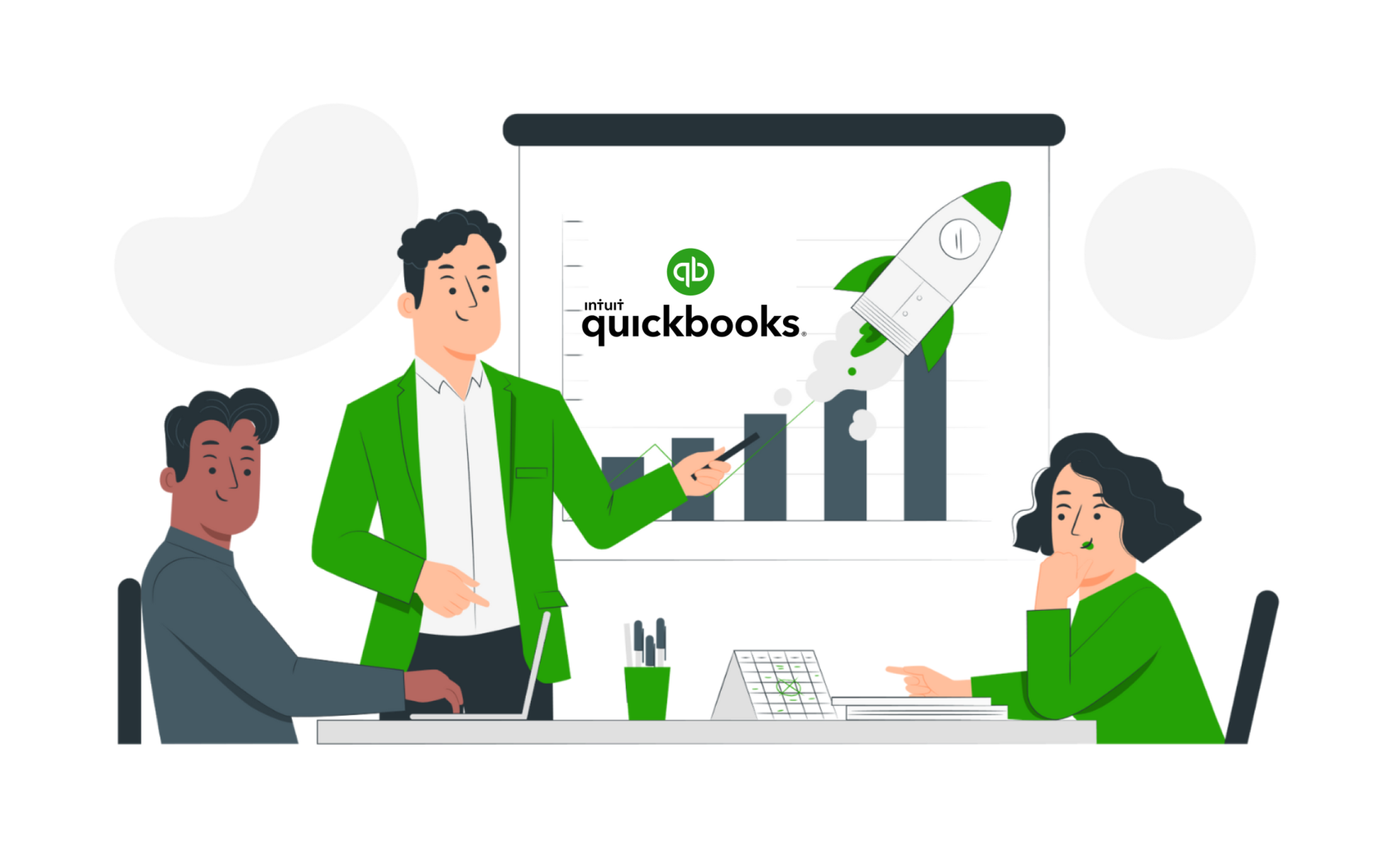
Hack 1: Customize Your Dashboard for Quick Insights
One of the first things you'll notice in QuickBooks Online is the dashboard – your command center for financial overview. But the default setup might not align with your specific needs. A simple hack is to personalize it for instant visibility into key metrics.
Start by logging into QBO and navigating to the dashboard. Click the gear icon in the upper right corner and select "Customize this page." Here, you can add, remove, or rearrange widgets like profit and loss summaries, bank balances, invoice statuses, and expense trackers. For small businesses, prioritize widgets that show cash flow projections and overdue invoices – these help you spot cash shortages early.
Why does this matter? In our experience at Midwest Bookkeeping, many clients overlook this customization, leading to scattered data review. By tailoring the dashboard, you can review your finances in under five minutes daily. For instance, if you're a retail shop owner, add the sales by product widget to track top performers. This hack not only saves time but also encourages proactive decision-making. Remember to save your changes and refresh the page to see the updates.
To take it further, integrate QBO with apps like Google Analytics for real-time sales data syncing. This creates a holistic view without switching tabs. Clients who've adopted this report a 20-30% reduction in time spent on weekly reviews.
Hack 2: Automate Bank Feeds and Reconciliation
Manual entry of transactions is a time-sink and error-prone. QBO's bank feeds feature automates this, but the real hack lies in setting up rules for categorization.
Connect your bank accounts via the Banking tab. Once linked, transactions import automatically. Create rules by selecting a transaction, clicking "Create rule," and defining criteria like vendor name or amount range. For example, if you frequently buy supplies from Office Depot, set a rule to categorize those as "Office Expenses" under the appropriate account.
Reconciliation becomes effortless with this setup. Monthly, go to the Reconciliation menu, match imported transactions against your statements, and QBO flags discrepancies. A pro tip: Use the "Undo last reconciliation" feature if you spot an error post-process – it's a lifesaver for correcting without starting over.
For small businesses with multiple accounts, this hack prevents double-entry mistakes. We've seen clients cut reconciliation time from hours to minutes. Pair it with QBO's mobile app for on-the-go approvals, ensuring nothing slips through during busy seasons.
Hack 3: Leverage Keyboard Shortcuts for Faster Navigation
Efficiency in bookkeeping often comes down to speed. QBO is packed with keyboard shortcuts that most users ignore, but mastering them can shave off precious minutes per session.
Press Ctrl + Alt + ? to view the full list. Common ones include Ctrl + Alt + I for new invoices, Ctrl + Alt + E for expenses, and Ctrl + Alt + R for reports. On a Mac, use Cmd instead of Ctrl. Practice these in your daily workflow – for example, when entering bills, use shortcuts to jump between fields without clicking.
This hack is particularly useful for high-volume transaction businesses like e-commerce. Combine it with the "Batch actions" feature: Select multiple transactions in the Banking tab and categorize them at once. Our team recommends starting with 5-10 shortcuts and building from there. Over time, this builds muscle memory, making QBO feel like an extension of your thought process.
Hack 4: Set Up Recurring Transactions for Consistency
Repetitive tasks like monthly rent or subscription payments shouldn't require manual input each time. QBO's recurring transactions feature automates this seamlessly.
Go to the Gear icon > Recurring transactions > New. Choose the type (e.g., invoice, bill), fill in details, and set the schedule – daily, weekly, monthly. You can even add reminders for review before processing.
For small businesses, this ensures bills are never late, avoiding fees. Customize templates with your branding for professional invoices. A hidden gem: Use "Unscheduled" for one-off templates that you duplicate as needed. This hack has helped our clients maintain GAAP-aligned records with minimal effort, freeing up time for strategic planning.
Hack 5: Use Projects to Track Job Costs Effectively
If your business involves projects – like consulting or construction – QBO's Projects feature is a game-changer for cost tracking.
Enable it under Gear > Account and settings > Advanced > Projects. Then, create a project from the Projects menu, linking customers, income, and expenses. Assign transactions by selecting the project in the dropdown during entry.
This provides real-time profitability reports per project. Hack: Filter reports by project to analyze overruns early. For multi-phase jobs, sub-projects add granularity. Small businesses often undervalue this, but it reveals hidden inefficiencies. We've assisted clients in boosting project margins by 15% through better tracking.

Hack 6: Integrate Apps for Expanded Functionality
QBO shines when connected to third-party apps via the App Store. This hack expands its capabilities without custom coding.
For inventory-heavy businesses, integrate with apps like TradeGecko for stock syncing. Payment processors like Stripe automate invoice collections. Search the App Store for "time tracking" to link tools like TSheets, pulling hours directly into payroll.
Security tip: Review permissions before connecting. This ecosystem approach turns QBO into a full ERP-lite system. Clients at Midwest Bookkeeping have streamlined operations, reducing data silos and errors from manual transfers.
Hack 7: Master Advanced Reporting for Insights
Default reports are basic; the hack is customizing them for deeper analysis.
In the Reports tab, select a standard report like Profit & Loss, then click Customize. Add filters, columns (e.g., by class or location), and group by customer. Save custom reports for quick access.
For tax prep, run the Taxable Sales Detail report monthly. Use the "Compare to previous period" feature to spot trends. This empowers data-driven decisions, like cutting underperforming products. Our formal approach ensures reports align with financial standards, providing clarity for owners.
Hack 8: Implement Classes and Locations for Segmentation
For businesses with multiple departments or sites, classes and locations segment data without separate companies.
Enable under Gear > Account and settings > Advanced. Assign classes (e.g., "Marketing") to transactions. Locations work similarly for physical sites.
Reports then break down by segment, revealing profitability per area. Hack: Use subclasses for finer detail. This is crucial for scaling businesses, helping allocate resources effectively. We've seen it transform vague overviews into actionable strategies.
Hack 9: Optimize Invoicing with Automation
Slow payments hurt cash flow. Hack: Use QBO's automated reminders and progress invoicing.
Set up invoice templates with payment terms. Enable automatic reminders under Gear > Sales > Reminders. For long-term contracts, use progress invoicing to bill in milestones.
Integrate with payment gateways for one-click pays. This reduces AR days significantly. Small tip: Personalize emails for better response rates. This hack keeps revenue flowing smoothly.
Hack 10: Secure Your Data with Multi-Factor Authentication
Security isn't glamorous, but it's essential. Enable MFA under Gear > Sign in & security.
Require it for all users. Regularly review audit logs for anomalies. Back up data via exports. This protects against breaches, ensuring business continuity.
Hack 11: Utilize Mobile App for On-the-Go Management
The QBO mobile app extends desktop features. Scan receipts, approve transactions remotely.
Hack: Use voice commands for quick entries. Geotag expenses for accuracy. This keeps books current during travel.
Hack 12: Batch Edit Transactions for Bulk Updates
Need to recategorize multiple entries? Use Batch actions in lists or banking.
Select items, choose Edit, and update fields en masse. This corrects errors quickly, maintaining accuracy.
Hack 13: Set Up Budgets for Proactive Planning
Create budgets under Gear > Budgeting. Input targets, compare actuals.
Hack: Duplicate previous budgets for efficiency. Monthly reviews prevent overspending.
In wrapping up, these QuickBooks Online hacks are practical tools to elevate your bookkeeping from a chore to a strength. At Midwest Bookkeeping LLC, we're here to support you – whether through consultations or full-service management. Contact us today for a complimentary review of your setup. Implementing these will not only save time but also provide the financial clarity needed to thrive in 2025 and beyond.
